

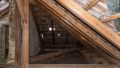
A mold inspector’s main role is to determine whether indoor conditions support mold growth and identify how moisture is entering or lingering in the home. Rather than focusing only on visible spots, they review the overall moisture history—discussing past leaks, roof issues, flooding, or recurring odors—then walk the property to look for clues like discoloration, peeling finishes, or patched areas.During the inspection, tools like moisture meters, hygrometers, and thermal imaging help locate damp materials and hidden leaks. When useful, surface or air samples confirm mold presence and type. The final report explains what is happening, where, and why, and offers practical recommendations for repairs, drying, and prevention to keep issues from returning.

A mold inspection follows a structured but flexible process. After the initial discussion and walkthrough, the inspector checks high-risk areas like bathrooms, kitchens, laundry rooms, basements, crawlspaces, and attics. Moisture meters scan drywall, trim, and flooring for elevated readings, while thermal imaging can reveal hidden leaks in ceilings or walls by showing temperature changes linked to moisture.If visible growth or high moisture is found, the inspector may collect surface or air samples for lab analysis to identify mold types and levels. All findings are compiled into a written report with photos, moisture readings, and plain-language explanations. The report also outlines recommended next steps, which may include targeted remediation, contractor repairs, follow-up monitoring, or simple maintenance changes to keep the home dry and protected.
Our service areas include but are not limited to the following locations, we serve all areas within 25mi radius of Cerritos, CA